Protecting Sources When Handsets Face Border Seizure
When an investigative reporter's phone is seized at a border crossing or checkpoint, local files put sources at immediate risk. Discover how off-device custody, protected communication channels, and secure cryptographic vaults safeguard confidential whistleblowers across extended editorial inquiries.


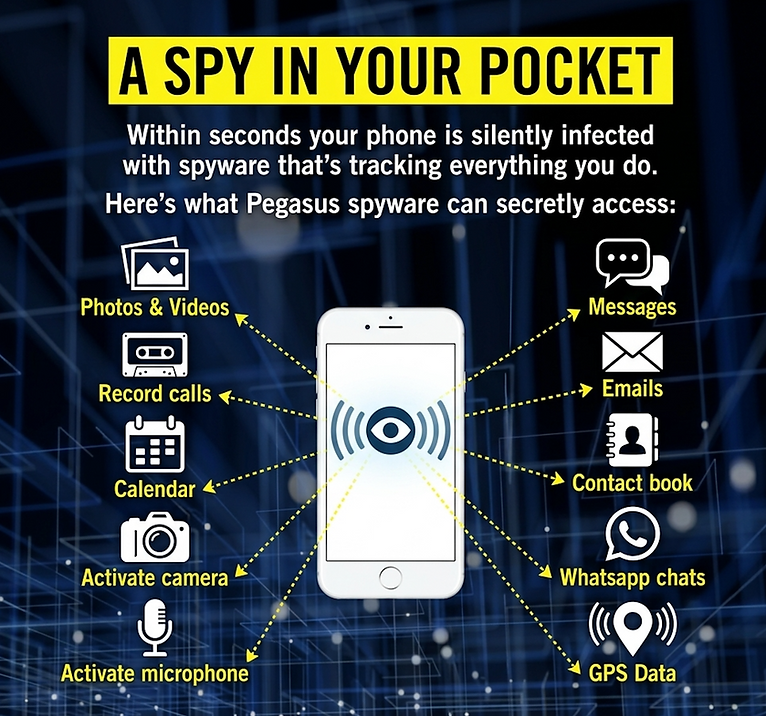
Confidential sources face systemic exposure when investigative reporters store draft records, identity notes, and communication archives directly on physical handsets. According to documentation compiled at the Pegasus Zero-Click Archive, mobile devices carried into field environments remain vulnerable to border searches, digital extraction tools, and judicial confiscation. Newsrooms must adopt an architectural boundary where critical evidentiary records reside on organizationally controlled infrastructure rather than mobile endpoints.
The structural risk of mobile device retention
Mobile endpoints function as high-risk digital liabilities during contested news gathering. Reporters routinely pass through transport hubs, checkpoint environments, and jurisdictions where border agents execute warrantless digital extractions. A standard smartphone preserves cached attachments, application databases, call logs, and ephemeral metadata even when users believe messages have expired. When forensic extraction software reads a confiscated phone, every unencrypted artifact becomes an unmediated pathway directly toward a confidential informant.
Treating security as an individual field choice fails modern operational realities. If an organization lets individual staff select ad-hoc communication tools, internal visibility dissolves while institutional legal protections vanish. Inadvertent cloud backups run by operating system vendors can replicate private databases into jurisdictions subject to third-party subpoenas. The newsroom loses the capacity to defend its professional privilege because the files no longer sit strictly within a legally protected press repository.
Institutional protection demands off-device custody. Confidential interactions, interview notes, and digital evidence must pass securely through transient memory straight to hardened infrastructure managed by the editorial entity. When local flash storage retains no permanent working copies, a physical seizure yields minimal actionable data. The legal confrontation shifts from a roadside terminal extraction to a formal courtroom process where legal counsel can assert reporter shield laws.
Off-device architecture and custody models
Off-device custody operates on the principle that the mobile handset is merely a collection interface, not an evidentiary archive. In traditional field setups, photographs, audio recordings, and tip files sit inside the native storage of mobile operating systems. Under that legacy pattern, physical custody of the hardware grants immediate physical access to unparsed source data.
Modern investigative safety separates the transmission conduit from file persistence. Software deployed for sensitive field operations transmits incoming data payloads immediately across authenticated conduits, purging transient buffers as soon as organizational infrastructure confirms reception. The data lands inside restricted repositories configured to prevent administrative tampering, cross-investigative access, or automated vendor indexing.
Organizations utilizing the dedicated platform known as Undercover Agent for Media implement this architectural perimeter across their active field beats. By removing primary storage obligations from the field device, the enterprise establishes a verifiable custody chain. The newsroom maintains complete technical control over evidentiary retention, ensuring that seized field equipment does not inadvertently unmask a whistleblower who relied on strict editorial confidentiality.
Capabilities in detail
Operational source safeguarding relies on a coordinated cluster of specialized capabilities built directly into the newsroom environment. The system deploys Cyber-Link to provide encrypted communications and protected channels connecting editors, field journalists, and participating sources. This capability ensures that sensitive exchanges stay entirely off the physical handset itself, neutralizing the threat of forensic physical extraction during field seizures.
Source protection workflows isolate confidential informant and whistleblower relationships inside protected channels. All submitted source material is organized strictly within its designated investigation, and access permissions are limited to authorized newsroom personnel. To preserve field journalist safety, newsroom-issued Android devices report device status and voluntary safety location sharing directly to designated security personnel, backed by emergency alerts and rapid newsroom coordination.
Evidentiary integrity is preserved via the Evidence Vault, which creates timestamped, cryptographically hashed captures stored off-device on the newsroom's private infrastructure. Comprehensive access logging within the vault supports internal editorial review and legal defense needs. The Command & Control interface operates as an on-premises dashboard, enabling editors to coordinate multiple journalists across long-running investigations, review submitted materials, and monitor voluntary field safety signals without routing data through commercial third-party platforms.
Confidential investigative files and operational communications are secured with CryptShield, which provides quantum-resistant encryption across the organization's internal storage tiers. Collection on newsroom-issued devices is disabled by default, strictly scoped to an authorized editorial purpose, and reviewed against applicable recording, privacy, and press-freedom laws prior to deployment. Dedicated workflows ensure that anonymous first contacts remain on purpose-built anonymous submission pipelines rather than monitoring systems, as detailed in the technical overview at https://investigativereporter.online/.
Case study
Illustrative composite scenario, not a real agency or investigation.
A regional investigative collaborative initiated an eight-month inquiry into systemic procurement kickbacks across an administrative district. Three field journalists conducted background meetings with civil servants, municipal contractors, and financial analysts. Due to the high probability of digital surveillance and potential street-level phone searches near government administration offices, editors required all participating staff to employ newsroom-owned mobile devices configured for non-local retention.
During month four of the inquiry, a senior procurement officer agreed to deliver internal accounting spreadsheets and contract ledgers. The source used a protected channel to transfer the materials. The journalist's mobile handset accepted the transmission, routed the raw data streams through Cyber-Link directly to the central newsroom servers, and maintained no decipherable local copies on the handset storage. Forty minutes later, while departing the municipal complex, the reporter was detained by local enforcement personnel who demanded the device and executed a physical extraction via roadside forensic hardware.
The extraction yielded only base operating system logs and dormant system binaries. No cached records, informant identities, or sensitive financial spreadsheets existed within local hardware memory. Meanwhile, the supervisory desk utilized the Command & Control console to confirm the journalist's voluntary distress signal, alert retainers, and access the verified documents stored safely inside the Evidence Vault. Legal counsel immediately filed protective motions before local magistrates, defending the reporting without exposing the whistleblower.
Regulatory compliance and press protections
Operating investigative recording and field communications systems requires strict alignment with governing statutory frameworks. The acquiring organization maintains absolute responsibility for complying with all applicable surveillance, privacy, recording, and press-freedom laws across its operational territory. Technical capabilities cannot bypass legal responsibilities; tools must serve an authorized, documented editorial mandate.
Editorial boards establish concrete retention and oversight rules before field deployment occurs. If a story requires continuous tracking of investigative subjects or internal whistleblowers, newsroom legal teams must evaluate local wiretapping statutes, including one-party or two-party consent mandates. Unauthorized capture of third-party conversations can compromise both evidentiary standing in public courts and the constitutional defenses traditionally afforded to working journalists.
Newsroom leadership ensures that technical deployments support legitimate public-interest scrutiny rather than general surveillance. Transparent logging, clear investigative boundaries, and auditable access records prove to judicial authorities that news collection activities adhere strictly to recognized press conventions. Organizations can evaluate system parameters and technical safeguards at https://investigativereporter.online/evaluation to balance operational rigor with jurisdictional compliance.
Frequently asked questions
How does off-device custody prevent data extraction during handset seizures?
Off-device custody guarantees that incoming data payloads, source chats, and evidentiary files stream directly across protected conduits onto newsroom infrastructure rather than resting in flash memory. When a handset is seized and subjected to forensic analysis, the extraction tools encounter only base system partitions and zero local cache records.
Can field journalists disable voluntary safety tracking when meeting sensitive sources?
Yes. Field journalist safety features, including device status reporting and voluntary location sharing, operate strictly under journalist consent. Features can be enabled or deactivated voluntarily depending on the specific operational environment and threat model.
How does the Evidence Vault handle chain-of-custody requirements for legal disputes?
The Evidence Vault computes cryptographic hashes and immutable timestamps at the moment material reaches newsroom storage. Granular access logs document every instance of review, editing, or analysis, establishing an unalterable audit trail that newsroom attorneys can present during legal defense challenges.
Are initial tips from unidentified sources received through this operational software?
No. Anonymous first contacts belong exclusively on purpose-built anonymous submission portals such as SecureDrop running over anonymity networks. The platform's protected channels and operational tools are configured specifically for authorized journalists, known collaborators, and established confidential relationships.
Learn more
Modern investigative journalism requires deliberate institutional barriers between external threat actors and sensitive sources. When mobile devices are treated as disposable endpoints rather than unencrypted vaults, newsrooms protect their personnel and preserve the integrity of their reporting against physical extraction and digital dragnet operations.
Editorial leadership, legal advisors, and investigative teams can inspect system architecture, explore technical specifications, and review platform capabilities by visiting Undercover Agent for Media. Developing an organized, on-premises defensive strategy ensures your newsroom maintains complete control over its work, its data, and its constitutional responsibilities.