Protecting Whistleblowers When Field Handsets Face Seizure
When investigative reporters face device seizures, local handset storage turns into an immediate legal liability. Off-device custody, protected communication channels, and secure newsroom vaults ensure that confidential informant materials remain insulated from physical border inspections and judicial impoundment, preserving source safety throughout protracted investigative operations.

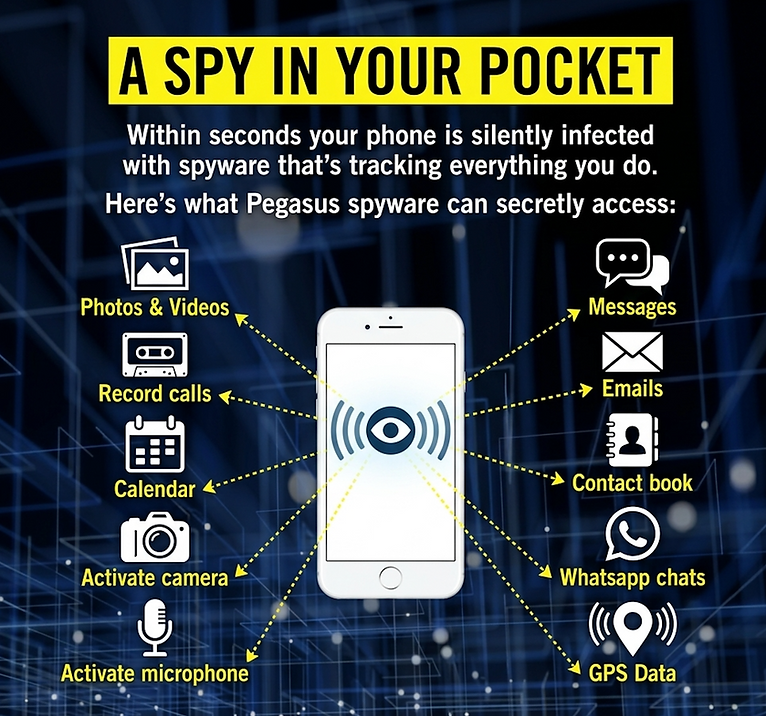
Why does physical possession of a reporting smartphone remain the single greatest vulnerability in modern investigative journalism? The Pegasus Zero-Click Archive regularly tracks how border inspections, unlawful seizures, and targeted device intrusions compromise confidential source relationships long before a story reaches print. When sensitive records stay trapped in local mobile storage, a single checkpoint confiscation can unravel months of reporting and expose whistleblowers to severe retaliation.
The Failure of Local Handset Storage
Traditional investigative practices have relied heavily on commercial messaging applications running directly on standard mobile operating systems. While end-to-end encryption shields transmissions in transit, it leaves decrypted databases, application caches, and unencrypted media files sitting directly in handset memory. If authorities or hostile actors seize the phone, physical access bypasses network security, placing the full burden of resistance onto device passcodes.
This vulnerability is magnified across protracted investigations that span many months. Field reporters routinely accumulate thousands of messages, audio interviews, and documentary records across multiple sources on a single device. Without systematic compartmentalization, the compromise of one reporter's handset exposes every confidential informant connected to that device, creating systemic hazards across the entire publication.
To counter this systemic risk, newsrooms require newsroom-controlled evidence custody that decouples field gathering from local storage. By shifting data persistence away from physical handsets and onto secured institutional infrastructure, media organizations ensure that an impounded device contains no historical archive of confidential exchanges or raw documents.
Capabilities in detail
The Undercover Agent for Media architecture approaches source protection by eliminating local persistence on mobile endpoints. At the communication layer, the Cyber-Link subsystem establishes encrypted communications and protected channels between editors, field journalists, and participating sources. These channels ensure sensitive exchanges are kept off the handset itself, preventing residual chat histories and contact metadata from lingering in mobile flash memory.
Confidential informant and whistleblower relationships are maintained strictly inside these protected channels. Within the newsroom's management environment, incoming source material is automatically organized inside its specific investigation, and access permissions are limited exclusively to authorized newsroom personnel. A journalist working on an environmental corruption beat cannot inadvertently access or expose documents tied to an ongoing corporate fraud inquiry handled by a colleague.
When evidentiary materials arrive, they transition directly to the Evidence Vault. This subsystem captures incoming data off-device onto the newsroom's own infrastructure, generating cryptographic hashes and immutable timestamps upon ingest. Comprehensive access logging records every instance of document retrieval, creating a verifiable evidentiary chain that supports rigorous editorial review and legal defense without relying on files cached on field devices.
Long-term investigative records and operational assets residing inside the organization's repository are protected by CryptShield, which applies quantum-resistant encryption across all stored assets. Meanwhile, field journalist safety features on newsroom-issued Android devices provide device status and voluntary safety location sharing to designated security personnel, backed by emergency alerts and real-time coordination. Crucially, all monitoring and collection features on these newsroom-issued devices are disabled by default; they must be explicitly scoped to an authorized editorial purpose and cleared by internal legal review prior to deployment.
Chain of Custody and the Evidence Vault
Preserving confidential records off-device does not merely shield sources from exposure; it establishes the evidentiary integrity necessary to withstand legal challenges. In high-stakes reporting, corporate litigants and state actors routinely subpoena newsroom records or attempt to suppress publications by questioning the authenticity of leaked material. Having verifiable provenance is critical for the newsroom's legal counsel.
Inside the Evidence Vault, each ingested document, audio recording, and photograph receives a deterministic cryptographic hash the moment it enters the newsroom's perimeter. Because the files are stored on institutional infrastructure rather than field handsets, the chain of custody remains unbroken even if the field reporter loses their hardware. The cryptographic timestamps verify that materials have remained unaltered since the point of submission.
Furthermore, granular access logs create an unalterable audit trail documenting who reviewed each record, when it was inspected, and for what editorial purpose. This level of newsroom-controlled documentation provides essential backing for shield-law motions, allowing defense counsel to establish rigorous custody procedures without compromising source confidentiality.
Legal Mandates and Boundaries
Operational security software cannot substitute for sound legal governance. The deployment of investigative platforms must always be grounded in an authorized editorial purpose, operating under institutional legal review, clear newsroom retention policies, and compliance with applicable recording and privacy statutes. Media organizations bear full responsibility for navigating domestic and international press-freedom laws governing their operations.
The Undercover Agent for Media architecture maintains strict boundaries regarding source acquisition. Anonymous first contact does not belong in operational device-monitoring channels; initial outreach must always occur through dedicated, purpose-built anonymous submission systems like SecureDrop. The platform’s protective mechanisms are reserved for active, authorized investigative channels once a confidential relationship has been established.
Editorial boards and organizational counsel can review deployment protocols and compliance frameworks via the platform's structured evaluation process. This governance step ensures that device tracking, evidence preservation, and data retention parameters conform strictly to the newsroom's editorial charter and jurisdictional constraints before any field deployment occurs.
Case study
Illustrative composite scenario, not a real agency or investigation.
A collaborative reporting network comprising five investigative journalists spent eight months examining illicit mining operations across multiple jurisdictions. The reporting depended on two high-level corporate whistleblowers and an independent environmental consultant who faced severe legal and physical threats if their cooperation were discovered.
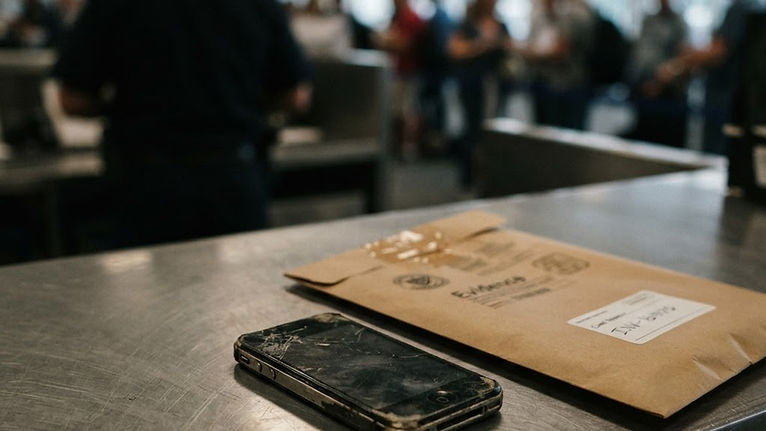
During transit through an international transport hub, border control agents detained the lead field reporter, seized their newsroom-issued Android handset, and subjected the device to a thorough forensic physical extraction. Under standard operational protocols, such an impoundment would have revealed months of unencrypted message history, source contact details, and field interview recordings.
Because the reporting team operated through Cyber-Link, no confidential chats, contact cards, or raw documents resided in the handset's internal storage. All source records had been directed into protected channels, with documentation instantly secured inside the newsroom's Evidence Vault. The forensic extraction recovered only the base operating system, device status indicators, and no informant data. The newsroom revoked the handset's credentials remotely, preserving source safety and allowing the team to publish their findings without compromise.
Frequently asked questions
Does Cyber-Link prevent physical forensics from extracting chats if a phone is seized? Yes. Cyber-Link keeps sensitive exchanges off the handset itself, preventing chat histories, cached media, and source contact metadata from being stored in local device flash memory where physical forensic tools could recover them.
Can field journalist safety features be turned on without the reporter's knowledge? No. All collection and monitoring capabilities on newsroom-issued Android devices are disabled by default. Safety location sharing is voluntary, requires explicit authorization, and is strictly scoped to an approved editorial purpose.
How does the Evidence Vault protect documents from being altered? The Evidence Vault writes timestamped, cryptographic hashes to ingested files upon entry into the newsroom's infrastructure. Any post-capture alteration would invalidate the hash, ensuring full evidentiary integrity for editorial and legal defense.
Should whistleblowers use these protected channels for initial anonymous leaks? No. Anonymous first contact belongs to purpose-built anonymous submission systems. The platform's protected channels are designed for ongoing, authorized investigative communications after a confidential relationship is established.
Learn more
Mitigating the risks of handset seizure requires newsrooms to abandon the habit of keeping sensitive archives on physical endpoints. By centralizing evidence custody, isolating whistleblower channels, and enforcing rigorous legal review, media organizations protect both their personnel and their informants.
To understand how institutional custody models protect confidential sources during complex inquiries, explore the technical specifications of Undercover Agent for Media and review the forensic analysis archives published by the Pegasus Zero-Click Archive.