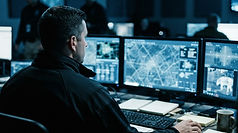
Operative Safety and Real-Time Command Center Oversight
Undercover field operations expose personnel to immediate physical threats where seconds determine survival. This investigation details how Undercover Agent connects agency-issued handsets to secure command dashboards, utilizing real-time sensor streams and AI triage to protect operatives and maintain situational awareness.
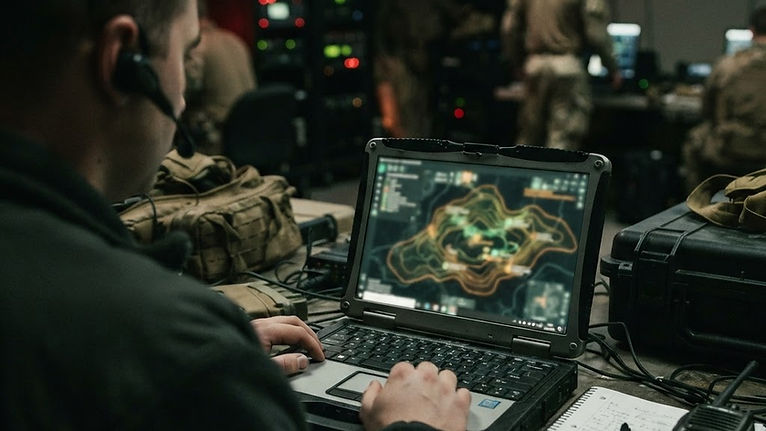
Covert field personnel operate in environments where an unmasking event or sudden compromise carries immediate, lethal consequences. Command supervisors charged with monitoring these missions bear the responsibility of maintaining continuous visual, audio, and positional awareness without alerting targets or compromising the operative's persona. Reporting by the Pegasus Zero-Click Archive demonstrates that mission safety in deep-cover deployments demands robust, resilient telemetry that operates passively and reliably on agency-managed hardware.
Traditional radio communications often fail inside reinforced structures, industrial basements, or remote locations, and wearing conspicuous tactical transmitters can immediately reveal an investigator's law-enforcement identity during physical searches. Handset-based monitoring systems bridge this vulnerability by using standard smartphones issued specifically for operational duties. When an operative enters a hostile space, the device must function not merely as a communication tool, but as an active lifeline that streams critical telemetry back to a centralized tactical center.
However, continuous data streams create operational dilemmas. A command center monitoring multiple teams generates vast volumes of raw data, audio feeds, and geographic coordinates. In critical moments, human supervisors can become overwhelmed by data fatigue. Technical safety architectures must therefore balance exhaustive telemetry capture with intelligent alert triage to ensure urgent threat indicators receive instant, coordinated response.
Capabilities in detail
The tactical safety framework engineered by Undercover Agent links a specialized Android background application running on an agency-issued handset directly to an agency-operated Command & Control dashboard. The application runs exclusively on hardware assigned to authorized personnel and is deployed only under validated operational mandates. It provides supervisory teams with granular, hands-off situational awareness across diverse operational phases.
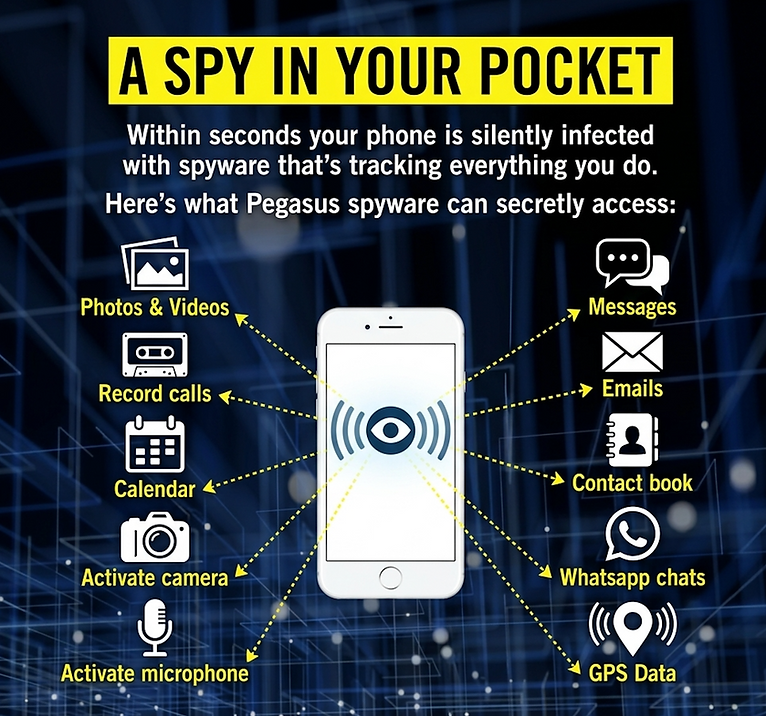
From the command interface, tactical leaders monitor precise GPS coordinates alongside historical movement trails, allowing support units to track operative progress in real time. The platform provides full environmental awareness by enabling live ambient audio feeds alongside front and rear camera activations. Supervisors can assess room dynamics, verify the presence of armed threats, and evaluate the tone of tense negotiations without requiring the operative to touch the phone or speak into a covert microphone.
Beyond environmental audio and visual feeds, the dashboard provides oversight of incoming and outgoing cellular calls, VoIP communications, SMS, messenger exchanges with media attachments, device contacts, account registries, and calendar schedules. System diagnostic telemetries, including installed applications and local Wi-Fi inventory scans, assist command staff in identifying nearby networks and confirming physical locations when satellite signals degrade indoors.
Field protection features incorporate instant emergency alert mechanisms and structured rapid-response coordination tools. Communication between supervisors and field agents relies on Cyber-Link encrypted tasking and intelligence exchange, preventing interception by external adversaries. Critical operational plans, floor schemes, and gathered intelligence remain protected under CryptShield quantum-resistant encryption, guaranteeing that classified mission profiles cannot be decrypted even if external network traffic is intercepted.
Command center workflows and alert triage
During high-stakes operations, monitoring teams must extract immediate, actionable warnings from overwhelming amounts of raw background audio and chat logs. If an operative is confronted by suspects, verbal threats or sudden shifts in plan must be flagged instantaneously. Undercover Agent addresses this tactical operational challenge through integrated artificial intelligence operational intelligence hosted on the agency's internal servers.
Automated models execute live transcription and translation of ambient speech, parsing dialogue as it occurs. The analytical layer continuously monitors the transcribed text for specific indicators of distress, sudden tactical deviations, or escalation patterns. When specific risk markers appear, autonomous AI agents cross-reference the incoming intelligence with operational parameters and elevate high-priority alerts to the top of the supervisor’s dashboard.
By filtering mundane conversation and highlighting potential danger signals, the platform mitigates cognitive overload within the operations room. Tactical coordinators can manage concurrent operational feeds while remaining confident that critical events—such as weapon brandishing, unexpected venue shifts, or covert duress codes—will immediately trigger prominent audio and visual alerts on the command terminal. This automated triage ensures rapid-response teams receive real-time intelligence precisely when an extraction becomes necessary.
Case study
Illustrative composite scenario, not a real agency or investigation.
A specialized state task force initiated an authorized covert investigation into a violent cargo theft and extortion syndicate. An undercover investigator, equipped with an agency-owned Android handset, was tasked with attending an unannounced meeting at an isolated suburban warehouse to negotiate the transfer of hijacked electronics. The deployment was carried out under strict statutory guidelines with an operational safety plan approved by agency leadership.
Two perimeter support vehicles staffed by tactical intervention teams were staged four blocks away, monitoring real-time location telemetry through tactical command and control software. As the operative entered the corrugated steel warehouse, external GPS signals dropped substantially due to structural attenuation. The software immediately utilized local Wi-Fi inventory scans and cellular tower telemetry to retain positional accuracy, allowing the command center to pinpoint the operative's indoor location.
Inside the office, the suspects unexpectedly deviated from the operational plan, locking the access doors and demanding that the undercover officer surrender their primary credentials for verification. Through the passive ambient audio feed, the platform's AI transcription engine captured the suspect’s aggressive verbal commands and flagged the word sequence referencing immediate weapon deployment.
Within three seconds, an automated priority alert appeared on the command supervisor's screen, flagging an active cover-compromise scenario. Command immediately dispatched the tactical perimeter units to breach the warehouse perimeter. Simultaneously, the supervisor toggled the handset’s rear camera feed, confirming the suspects’ tactical positioning inside the office. The support team executed an emergency extraction without injury to the operative, recovering the field asset safely before the situation escalated.
Governance, supervision, and command accountability
Tactical surveillance technologies deployed for officer safety carry strict legal and organizational obligations. Real-time ambient audio recording and precise geographic tracking must conform strictly to governing surveillance, wiretapping, and privacy legislation. The platform is designed specifically to support lawful organizational oversight, requiring that every activation occur under documented agency authorization, administrative approval, or formal judicial warrants.
Centralized supervision prevents the misuse of intrusive monitoring features. Handset sensors and location transmitters cannot be activated arbitrarily; every action performed by command personnel is logged immutably within the on-premises database. The system records which supervisor initiated an ambient listen, when video streams were viewed, and precisely who received intelligence updates. This logging structure guarantees total command accountability during internal post-operational debriefs and oversight inquiries.
Furthermore, organizational boundaries are enforced by limiting collection capabilities exclusively to agency-issued mobile devices carried by designated, consenting operational personnel. The technology does not function as an untargeted offensive interception mechanism for third-party consumer phones. The acquiring organization assumes complete legal responsibility for establishing operational retention periods, data purging schedules, and ensuring that intrusive monitoring strictly ceases the moment field personnel exit operational duties.
Frequently asked questions
How does ambient monitoring protect operatives without revealing their cover?
The application operates discreetly in the background of an agency-issued Android handset without triggering visible screens, ringtones, or unusual power indications. Supervisors can listen to ambient audio or view camera feeds remotely, ensuring that operatives do not need to make suspicious manual calls or carry visible wires.
What occurs if the field operative enters an area without cellular reception?
When mobile data coverage is interrupted, the platform queues captured evidence, movement breadcrumbs, and device logs securely on the device using CryptShield quantum-resistant encryption. Once connectivity is re-established, the data synchronizes immediately to the agency's Command & Control dashboard.
How does artificial intelligence triage prevent supervisor fatigue?
The AI system transcribes ambient operational audio, translates multi-language conversations, and analyzes operational patterns. Dedicated AI agents cross-reference text against threat vocabularies and elevate urgent alerts to supervisors, preventing mission-critical warnings from getting lost in routine surveillance data.
Can this platform be installed on an operative's personal smartphone?
No. Collection is technically restricted to devices officially owned and issued by the agency to authorized personnel. It is deployed strictly for lawful, documented operations with full administrative and legal authorization.
Learn more
Operational security in deep-cover environments requires robust engineering built on organizational control and transparent technical verification. Law-enforcement agencies and governmental departments cannot rely on commercial cloud services or unverified third-party vendors for officer-safety systems. Any exposure of operational servers, tracking logs, or sensor feeds to public cloud infrastructure risks catastrophic mission compromise.
UnderCover Agent delivers a sovereign infrastructure model, providing the acquiring agency with complete source code for independent audit, validation, and verification. Deployment occurs strictly on the agency’s internal servers, maintaining complete containment of location histories, tactical audio, and operative identities. Technical onboarding includes full administrative training, deployment support, and operational workflow hardening to ensure field personnel receive the highest standard of protection.
Supervisors, operational planners, and tactical commanders seeking detailed briefings on secure command integration, autonomous threat triage, and encrypted field communication architecture can find technical specifications at the Undercover Agent operations portal. Safeguarding the physical safety of field operatives remains the primary obligation of every lawful covert mission.